
Vitamin E is a fat-soluble nutrient classified as an antioxidant, meaning it helps protect cells from damage caused by unstable molecules known as free radicals. It naturally occurs in various foods and is also available as a dietary supplement.
It is found abundantly in plant-based sources such as nuts, seeds, vegetable oils, and leafy green vegetables. Some individuals take Vitamin E supplements to ensure adequate intake, particularly if their diet lacks these key sources.
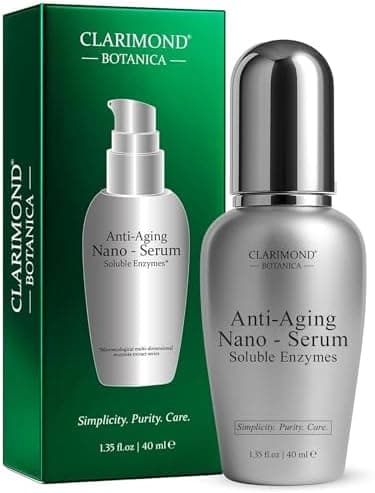
Clarimond Waterless Anti-Aging Serum
Anti-aging serum for firmer-looking skin — check price on Amazon.
Clarimond Waterless Anti-Aging Serum
Check price on AmazonVitamin E is most beneficial for its role in protecting cell membranes and supporting the immune system. Its antioxidant properties may help reduce the risk of chronic diseases linked to oxidative stress. Additionally, it plays a crucial role in maintaining healthy skin and eyes.
There are different forms of Vitamin E, with alpha-tocopherol being the most active and beneficial form for human health. The body requires consistent intake through diet or supplementation to maintain optimal levels, as it cannot produce Vitamin E on its own.
Important considerations include the recommended daily intake, which varies by age and health status. While generally safe at recommended levels, excessive intake from supplements may pose risks, though this is uncommon through dietary sources alone.
Effectiveness and Risk Overview
Condition | Effectiveness | Details |
|---|---|---|
| Antioxidant Activity | As a powerful antioxidant, Vitamin E plays a crucial role in protecting cells from oxidative damage, supported by extensive research. | |
| Oxidative Stress Reduction | Vitamin E is a potent antioxidant that neutralizes free radicals, reducing oxidative stress. Numerous studies have demonstrated its efficacy in mitigating oxidative damage. | |
| Skin Aging | Vitamin E has been shown to protect skin from damage caused by UV light and promote skin health, though results can vary. | |
| Immune System Support | Vitamin E supports immune function, with evidence suggesting it enhances the body's immune response, though more research is needed for conclusive effects. | |
| Cardiovascular Health | Some studies indicate Vitamin E may support cardiovascular health by preventing the oxidation of LDL cholesterol, though large-scale trials have yielded mixed results. | |
| Inflammation | Vitamin E has anti-inflammatory properties, which may help in reducing inflammation, supported by various preclinical and some clinical studies. | |
| Eye Health | Vitamin E, in combination with other antioxidants, may help protect against age-related macular degeneration and other eye conditions, as suggested by some studies. |
Check price on Amazon →#Sponsored